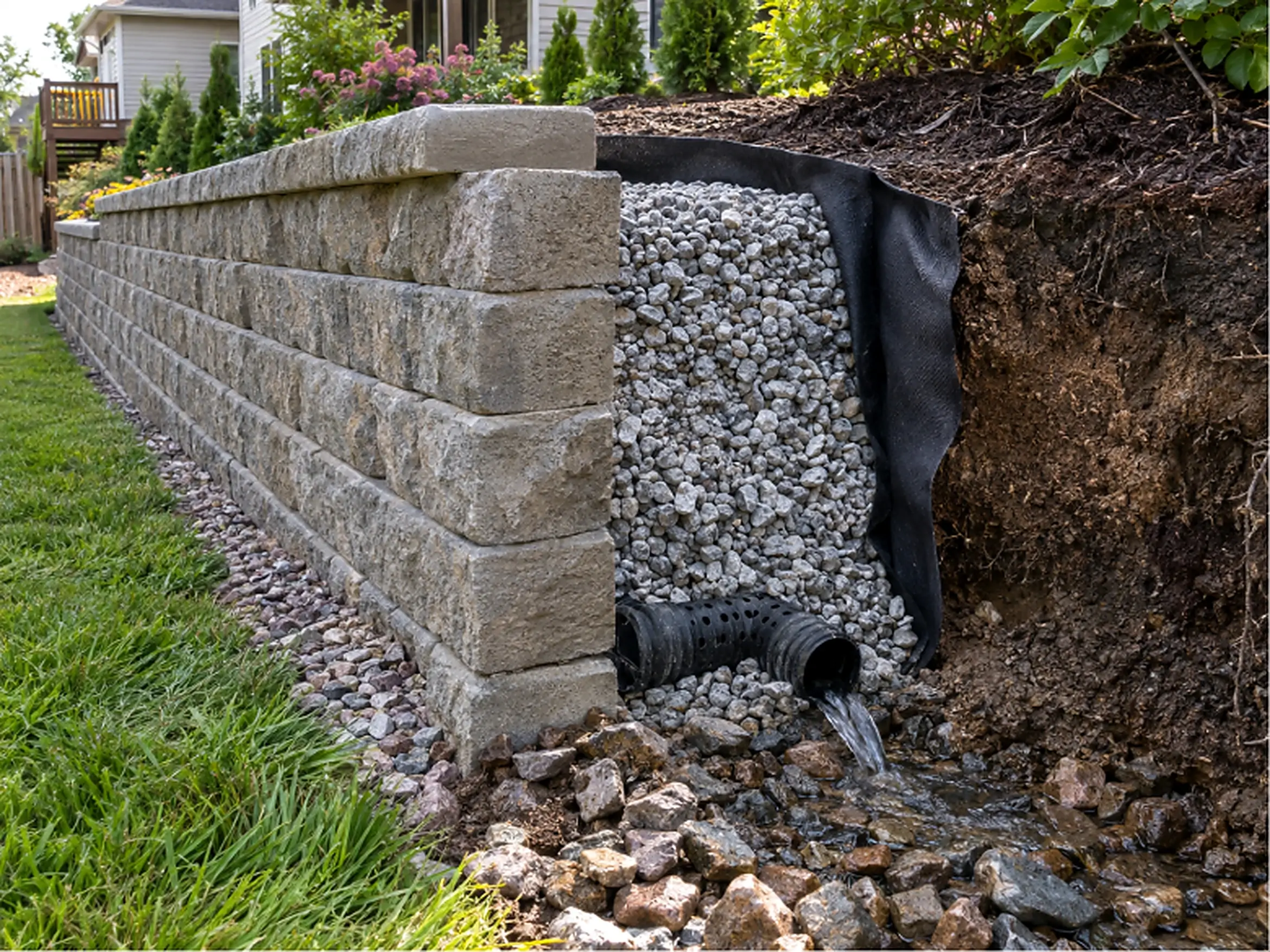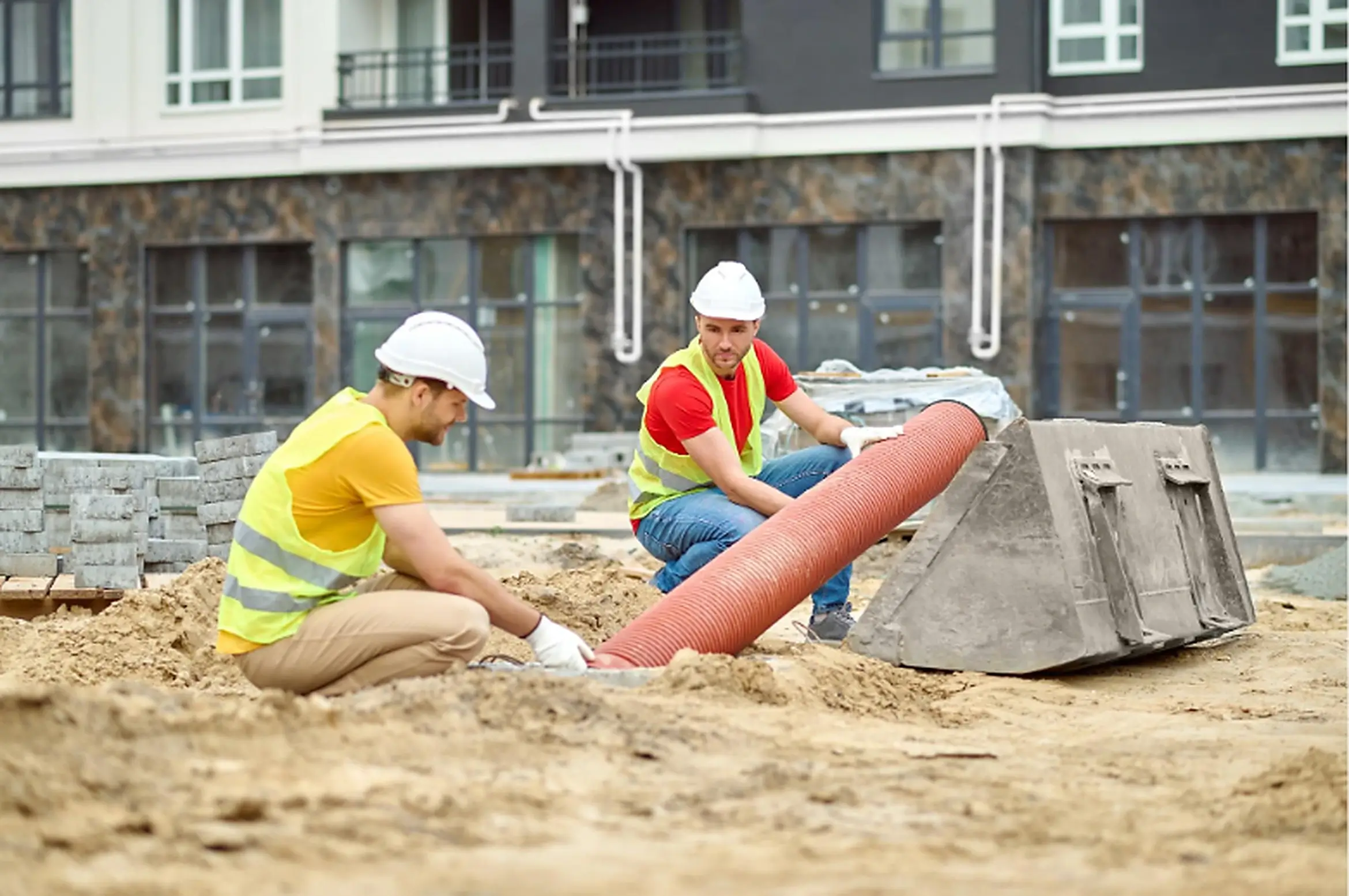
Repeated water pooling in yard areas usually means rainwater cannot soak into the soil or move through the drainage system quickly enough. Common causes include blocked stormwater drains, low ground levels, compacted soil, damaged pipes, and excess irrigation. A professional blocked stormwater drain service can investigate recurring pooling near drains, downpipes, or underground pipework.
Finding the cause matters because landscaping will not clear a blocked pipe, while drain cleaning will not correct poor surface grading. Knowing where the water appears, how long it remains, and what happens during rainfall can help determine whether the property needs maintenance, landscaping, drainage clearing, or pipe inspection.
Key Takeaways
- Water collecting near stormwater grates can indicate a blocked or restricted drain.
- Low ground levels and compacted soil can trap rainfall even when pipes are clear.
- Wet areas during dry weather may point to irrigation leaks or damaged underground pipes.
- Recurring overflow can require CCTV inspection rather than repeated surface cleaning.
- Correct diagnosis helps avoid unnecessary excavation, landscaping, or drainage work.
What Causes Water to Pool in Your Yard?
Several surface and underground problems can prevent rainfall from draining properly. Low spots hold runoff, compacted soil slows absorption, blocked stormwater lines restrict flow, and damaged pipes can prevent water from reaching its discharge point.
Common causes include:
- Blocked stormwater pipes
- Low or uneven ground levels
- Compacted or clay-rich soil
- Excessive irrigation
- Damaged underground drainage
- Tree root intrusion
- Heavy silt buildup
- Poorly directed roof runoff
| Possible cause | Typical clue | Useful first check |
| Stormwater blockage | Water rises around a grate | Remove accessible surface debris |
| Low ground level | Puddles form in the same depression | Observe runoff direction |
| Compacted soil | Lawn stays saturated | Check soil absorption |
| Irrigation fault | Wet patch appears without rain | Pause irrigation |
| Damaged pipe | Same area repeatedly becomes wet | Arrange drain inspection |
| Roots or silt | Drain performance worsens over time | Inspect underground pipework |
Blocked Stormwater Drains
Leaves, mulch, soil, silt, roots, and other debris can reduce the capacity of stormwater drains. During rain, water may rise around the grate or spread across the surrounding lawn because the underground line cannot carry runoff away quickly enough.
Cleaning accessible grates can remove surface debris, but repeatedly unblocking a stormwater drain without checking deeper pipework may provide only temporary improvement.
Garden Water Pooling
Low sections around garden beds, retaining walls, paths, and paved areas can collect runoff as water naturally moves towards the lowest point. Poor surface grading can remain a problem even when stormwater pipes are completely clear.
Minor depressions may respond to suitable landscaping or soil correction. Larger drainage changes should consider where the redirected water will discharge before ground levels are altered.
Water Pooling on Lawn
Slow soil infiltration can leave sections of lawn saturated after rainfall or irrigation. Clay-rich soil, construction activity, repeated foot traffic, and heavy equipment can compact the ground and reduce the spaces that normally allow water to soak through.
Aeration and soil improvement can help some shallow problems. Persistent saturation near drains, downpipes, or inspection points should be investigated separately.
Damaged Underground Drainage
Cracks, displaced joints, root intrusion, and collapsed sections can restrict an underground stormwater pipe even when the surface grate appears clear. Water may then collect some distance from the actual defect.
A CCTV drain inspection can show the internal pipe condition and distinguish accumulated debris from structural damage before repairs are recommended.
What Does Water Pooling in Yard After Heavy Rain Mean?
Temporary surface water can occur when rainfall arrives faster than the soil and stormwater system can absorb or carry it away. Concern increases when the same area floods during ordinary rainfall, water remains long after the storm, or nearby drains begin to overflow.
When Temporary Puddling May Be Normal
Short-lived puddles may occur during an intense storm when rainfall temporarily exceeds the capacity of the surrounding soil or drainage system. Water should begin receding once rainfall eases and the system catches up.
A puddle that repeatedly forms after moderate rain or remains for many hours deserves closer assessment.
Signs of a Stormwater Problem
Repeated overflow around drainage points provides stronger evidence of a drainage issue than rainfall alone. Several symptoms occurring together can indicate reduced pipe capacity or a blockage below ground.
Check for:
- Water rising around outdoor grates
- Silt washing back through drains
- Several stormwater points overflowing
- Gurgling from connected drainage
- Erosion around outlets
- Wet soil beside the building
- Recurring flooding after moderate rain
How Do You Find the Cause of Pooling Water?
Locating the source of pooling water requires checking rainfall, surface levels, irrigation, roof runoff, stormwater grates, and underground pipes in a logical order. Observing the conditions that trigger the problem usually provides more useful information than immediately installing another drain.
Follow these steps:
- Record when the water appears. Compare heavy rain, light rain, irrigation, and dry periods.
- Locate the lowest areas. Watch where runoff moves across the property.
- Inspect grates. Remove leaves and loose debris that can be reached safely.
- Check gutters and downpipes. Look for overflow or water discharging onto the ground.
- Pause irrigation. Continued wetness may indicate overwatering or a leak.
- Watch drain performance. Slow flow or overflow can indicate restriction.
- Inspect underground lines. Use CCTV where recurring symptoms cannot be explained from the surface.
Water Pooling in Backyard Near a Drain
Recurring water around a grate, downpipe connection, or inspection opening can indicate that runoff is reaching the drain but not moving through the line efficiently. Surface leaves may cause a local blockage, while silt, roots, displaced joints, or pipe damage can restrict flow deeper underground.
How to Fix Water Pooling in Yard Safely
The correct way to fix water pooling in yard areas depends on whether the cause involves surface levels, soil, irrigation, stormwater capacity, or damaged pipework. Matching the repair to the cause prevents unnecessary work and reduces the risk of simply moving runoff to another part of the property.
Clear Stormwater Grates
Leaves, soil, mulch, and rubbish can obstruct the openings that allow runoff into underground drains. Keeping grates clear before heavy rain helps maintain available drainage capacity.
Avoid pushing sticks, hoses, or improvised tools into underground pipes because debris can be compacted further into the line.
Correct Surface Levels
Shallow depressions may require soil improvement, regrading, swales, or another suitable landscaping solution. Surface work should direct water towards an approved drainage path rather than neighbouring properties or building foundations.
Clear Underground Blockages
Heavy silt, debris, and root material can restrict flow beyond the stormwater grate. After the pipe condition is assessed, high-pressure drain jetting may be suitable for cleaning longer sections of the line.
Recurring problems after attempts at clearing blocked drains can indicate that a deeper blockage or structural defect remains.
Repair Damaged Pipes
Cracked, displaced, or collapsed stormwater lines require structural repair rather than repeated cleaning. CCTV footage helps locate the affected section and determine whether a targeted repair, replacement, or another method is appropriate.
Best practice is to inspect first, clear the line where suitable, verify flow, and recommend structural work only when the pipe condition supports it.
When Should Yard Drainage Be Professionally Inspected?
A drainage assessment is worthwhile when standing water repeatedly forms around stormwater infrastructure, remains long after rainfall, or occurs with gurgling, overflow, erosion, or recurring blockages. Persistent wet areas close to the house also deserve attention because continued saturation can affect surrounding soil and landscaping.
Arrange an inspection when:
- Outdoor drains overflow during moderate rain.
- Several stormwater points drain slowly.
- Water returns soon after clearing.
- Roots or heavy silt are suspected.
- One area remains wet during dry weather.
- A buried pipe may be cracked or displaced.
Stop Recurring Yard Pooling at the Source
Persistent water pooling in yard areas should be treated as a symptom of how water is moving across or beneath the property. Surface levels, soil, irrigation, roof runoff, stormwater drains, and underground pipe condition all need to be considered before choosing a repair.
Brisbane Blocked Drain Experts provides stormwater clearing, CCTV drain diagnosis, and drainage solutions across Brisbane. Call 07 3333 2734 or email info@brisbaneblockeddrainexperts.com.au when standing water occurs with drain overflow, recurring blockages, or suspected underground pipe damage.