Knowing how to clear blocked drains starts with determining whether the blockage is near the drain opening or deeper in the pipe. Minor sink, shower and floor waste clogs may respond to simple DIY steps, but recurring drainage issues should be checked with a CCTV drain inspection before stronger clearing begins.
Blocked drains need early attention because wastewater, bad odours, slow drainage, and overflow can damage floors, walls, gardens, and outdoor areas. The goal is to clear the blockage safely without damaging the pipe or pushing debris deeper.
Key Takeaways
- Start with visible debris, hot water, plunging, and trap cleaning.
- Avoid chemical cleaners when water is standing, backing up, or overflowing.
- Several slow drains usually point to a main line issue.
- Tree roots, grease, silt, and damaged pipes need proper inspection.
- Call a plumber when drains gurgle, smell, overflow, or block repeatedly.
What Causes Blocked Drains Before You Clear Them?
A drain blockage forms when waste sticks to the pipe wall and narrows the space water needs to flow. Common causes include grease, food scraps, hair, soap scum, wet wipes, tree roots, leaves, silt and cracked pipe joints.
Kitchen sinks often block when fats, oils and scraps cool inside the pipe. Bathrooms collect hair, toothpaste and soap residue. Outdoor drains can fill with leaves, soil, mulch and stormwater debris after heavy rain.
How to Clear Blocked Drains Safely at Home
The safest way to clear blocked drains at home is to start with the lowest-risk method. These steps can help with minor clogs caused by grease, hair, soap residue or loose debris, but they will not repair damaged pipes or remove heavy root intrusion.
Check Which Drains Are Affected
Run water in nearby sinks, showers, toilets, and floor wastes. One slow drain often means the blockage is local. Several slow drains, gurgling sounds, or water rising through a floor waste may mean the main line is blocked.
Remove Visible Debris First
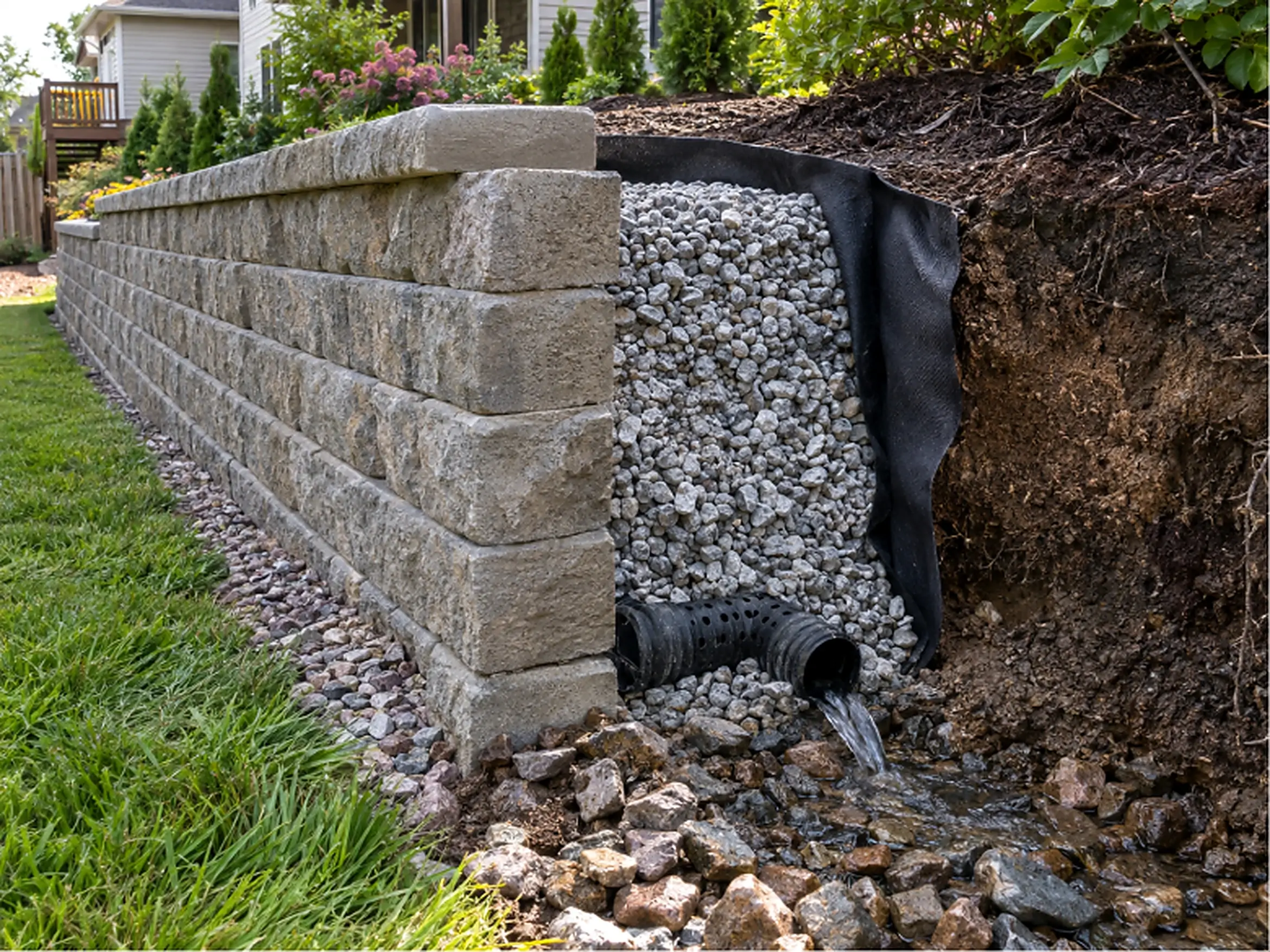
Wear gloves and clear hair, food scraps, leaves, or loose material from the grate or strainer. Do not push debris further into the pipe. For outdoor issues, this guide on a stormwater drain explains mistakes to avoid before water starts pooling.
Flush With Hot Water
Hot water can soften fresh grease and soap build-up. Pour it slowly in stages, then wait to see whether the water drains. Stop if water rises, backs up, or drains more slowly.
Use a Plunger Properly
A plunger works best when it creates a tight seal. Add enough water to cover the rubber cup, cover overflow holes if needed, and plunge with steady pressure. If the blockage shifts, run warm water afterwards.
Clean the Sink Trap
For one blocked basin, the trap under the sink may hold sludge, food scraps, hair, or small objects. Place a bucket underneath, loosen the fittings, clean the trap, refit it firmly, and test for leaks.
What Is the Best Way to Clear Blocked Drains?
The right drain clearing method depends on the cause, pipe condition, and how far the obstruction has moved. A plunger can help with a soft clog near the opening, while high-pressure drain jetting is more suitable for grease, silt, tree roots, and compacted debris.
| Method | Best For | When to Be Careful | Likely Result |
| Hot water | Fresh grease or soap residue | Old fittings, cracked fixtures or standing water | May improve light build-up |
| Plunger | Soft clogs near the opening | Overflow, sewage smells or contaminated water | Can restore simple flow |
| Trap cleaning | One slow sink or basin | Brittle fittings or leaks | Removes local debris |
| Hand drain snake | Hair and shallow obstructions | Hard resistance or old pipework | May loosen shallow clogs |
| CCTV and jetting | Roots, grease, silt and repeat blockages | Pipe condition should be checked first | Finds and clears deeper issues |
How to Fix Blocked Drains That Keep Coming Back
When the same drain keeps failing, the issue is usually deeper than the fixture. Recurring blockages often point to tree roots, heavy grease, poor pipe fall, cracked pipework, or debris that was only partly cleared.
Follow this process:
- Stop using the affected sink, toilet, shower, or outdoor drain.
- Check whether a single drain or multiple drains are affected.
- Remove visible debris from the grate, strainer, or opening.
- Try hot water or plunging only for light, local clogs.
- Avoid harsh chemicals if water is standing or backing up.
- Call a plumber if the problem returns, smells, gurgles, or overflows.
To clear drain blockage problems properly, the cause must be identified. A blocked toilet, slow shower and overflowing outdoor pit can look similar, but each may need a different clearing method
When Should You Call a Plumber?
If the blockage keeps returning after basic clearing, it is safer to call a plumber to clear blocked drains and check whether roots, grease, silt or damaged pipework are causing the problem. These warning signs suggest the issue is deeper than the drain opening and needs proper tools.
You should also book help if water rises through a floor waste, the toilet bubbles or an outdoor pit overflows during rain. A blocked stormwater drain should be checked early because heavy rain can quickly turn poor drainage into flooding and property damage.
How to Prevent Blocked Drains After Clearing
Prevention is the most practical way to reduce repeat plumbing problems. Once the drain is clear, focus on what enters the pipe and how quickly early warning signs are handled.
Use these habits:
- Place strainers in the bathroom, laundry, and kitchen drains.
- Remove hair from shower grates weekly.
- Keep fats, oils, grease, and wipes out of drains.
- Scrape plates before washing dishes.
- Clear leaves from outdoor grates before storms.
- Book drain cleaning when slow drainage keeps returning.
Regular maintenance is useful for older homes, rentals, commercial kitchens, and properties with large trees nearby, especially before Brisbane’s storm season.
Clear the Blockage Properly Before It Becomes an Emergency
Knowing how to clear blocked drains helps you manage small drainage problems safely and recognise when DIY methods are no longer enough. Minor clogs may clear with hot water, plunging, or trap cleaning, while recurring backups, sewer odours, outdoor overflow, and several slow drains need proper inspection.
Brisbane Blocked Drain Experts helps Brisbane homeowners and businesses find the cause of drainage problems and restore flow with CCTV drain cameras, high-pressure water jetting, emergency blockage clearing, stormwater drain clearing, and no-dig repair options where needed. For fast help with a blocked drain, call 07 3333 2734 or email info@brisbaneblockeddrainexperts.com.au to request a free quote.