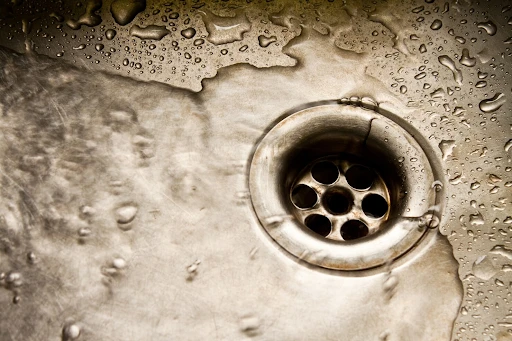
If you are asking how often should drains be cleaned, the general answer is once every 12 months for most homes, and more frequently for high-use or older properties. Regular cleaning removes buildup before it turns into blockages or costly damage.
Drain cleaning is a preventative maintenance process that keeps wastewater flowing efficiently and protects your pipes from long-term wear. For accurate results, services like CCTV drain inspection Brisbane help identify hidden issues early and prevent recurring problems.
Key Takeaways
- Most residential drains should be cleaned once per year
- Busy households or older homes may need cleaning every 6 to 9 months
- Commercial properties often require cleaning every 3 to 6 months
- Early cleaning prevents blockages, odours, and pipe damage
- Professional methods provide deeper and longer-lasting results
Why Regular Drain Cleaning Matters
Drains carry wastewater daily, leading to a gradual buildup of grease, soap, and debris in the pipes. Over time, this reduces flow and increases the risk of blockages, odours, and pipe damage.
Regular cleaning removes this buildup and helps maintain pipe health, preventing unexpected plumbing issues that can disrupt your home or business.
What Happens When Drains Are Not Cleaned
When drains are neglected, problems develop slowly but escalate quickly:
- Residue hardens and restricts water flow
- Pressure builds inside pipes, causing leaks
- Bacterial growth leads to foul odours
- Blockages form and cause backups
This is why understanding how often should you clean your drains is essential for long-term maintenance.
Benefits of Regular Drain Cleaning
Routine drain cleaning improves the performance and lifespan of your plumbing system by keeping pipes clear and structurally sound.
Key Benefits You Can Expect
- Improved water flow and drainage speed
- Reduced risk of emergency blockages
- Longer lifespan of pipes and fittings
- Lower maintenance and repair costs
- Cleaner and more hygienic drainage system
Consistent maintenance ensures your plumbing system operates efficiently without unexpected disruptions.
Recommended Drain Cleaning Frequency for Residential Properties
For most Brisbane homes, professional drain cleaning once per year is enough to keep pipes clear and prevent buildup.
However, some conditions require more frequent cleaning.
When to Clean Every 6 to 9 Months
- Large households with heavy water usage
- Homes with older pipe systems
- Properties surrounded by trees
- Frequent minor blockages or slow drainage
These factors increase the likelihood of buildup, necessitating more frequent servicing.
Recommended Drain Cleaning Frequency for Commercial Properties
Commercial properties experience higher water usage and waste loads, requiring more frequent maintenance.
Typical Cleaning Schedule
- Restaurants and cafes: every 3 to 4 months
- Offices and retail: every 4 to 6 months
- Industrial facilities: based on usage and compliance
Regular cleaning prevents downtime, ensures compliance, and protects infrastructure from costly failures.
Preventative Drain Maintenance Tips
Between professional cleanings, simple habits can keep your drains in good condition and reduce buildup.
Practical Tips You Can Follow
- Avoid pouring grease, oil, or food waste down sinks
- Use strainers to catch hair and debris
- Run hot water after each use
- Flush drains periodically with mild cleaners
- Schedule routine inspections
According to industry data, nearly half of water damage claims are linked to plumbing issues, such as blocked pipes, highlighting the importance of regular maintenance.
For more practical maintenance advice, this guide on fixing a leaking tap also explains how small plumbing issues can escalate when ignored.
Signs You Need Drain Cleaning
Even with regular care, drains can develop issues that require professional attention. Recognising early warning signs helps prevent major problems.
Common Warning Signs
- Slow-draining sinks or showers
- Gurgling sounds in pipes
- Persistent bad odours
- Water pooling in fixtures
- Recurring blockages
These signs indicate buildup or partial blockages that restrict water flow and require proper cleaning.
If you notice outdoor drainage issues, this guide on how to unblock stormwater drain explains what to avoid when handling them.
Step by Step: How Professional Drain Cleaning Works
Professional drain cleaning focuses on identifying and removing the root cause of the problem.
Step by Step Process
- Initial inspection
Technicians assess symptoms and identify likely causes - CCTV drain inspection
Cameras locate blockages, cracks, or root intrusion - High-pressure water jetting
Powerful water clears debris and buildup - Final system check
Pipes are tested to confirm proper flow - Preventative recommendations
Advice is provided to avoid future issues
This process ensures long-term results rather than temporary fixes.
What Most People Get Wrong About Drain Cleaning
A common mistake is waiting until a blockage occurs before taking action.
Many homeowners believe:
- Drains only need cleaning when blocked
- Chemical cleaners are enough
- Slow drainage is not urgent
In reality, these assumptions lead to bigger problems. Preventative cleaning is far more effective and cost-efficient than reactive repairs.
Expert Insight: Best Practice for Long-Term Drain Health
Experienced plumbers recommend combining routine cleaning with periodic inspections.
Using advanced tools like CCTV inspections allows you to:
- Detect early-stage blockages
- Identify structural pipe issues
- Prevent recurring problems
Brisbane Blocked Drain Experts specialise in these diagnostic methods, ensuring precise and efficient solutions.
DIY vs Professional Drain Cleaning
| Method | Effectiveness | Risk Level | Result |
| DIY Cleaning | Moderate | Low | Short-term |
| Chemical Cleaners | Low | High | Can damage pipes |
| Professional Jetting | High | Low | Long-term |
| Pipe Relining | Very High | Low | Permanent solution |
Professional methods provide deeper cleaning and longer-lasting results compared to DIY solutions.
When to Call a Professional Drain Specialist
You should contact a professional if:
- Blockages keep returning
- Multiple drains are affected
- Odours persist after cleaning
- Water backs up or overflows
These issues often indicate deeper problems that require specialised tools and expertise.
Keep Your Drains Flowing Without Disruption
Understanding how often should drains be cleaned helps you stay ahead of costly plumbing issues. Regular maintenance keeps your system efficient, prevents blockages, and protects your property.
If you want reliable, long-term results, Brisbane Blocked Drain Experts provide advanced diagnostics and professional cleaning solutions tailored to Brisbane conditions. Call us at 0411 633 411 to schedule your service today.