Understanding a drainage easement is important before buying, renovating, or changing a property. It is a defined part of land reserved for stormwater flow, drainage infrastructure, or access needed to inspect and maintain that infrastructure, and registered easement terms can limit building, excavation, landscaping, and other changes.
Knowing where the easement sits, what restrictions apply, who is responsible for maintenance, and whether buried drainage is damaged can help prevent approval issues and costly repairs. When recurring blockages, pooling, or pipe damage are suspected, a CCTV drain inspection can confirm the condition of underground drainage and help determine the right next step.
Key Takeaways
- Property owners usually retain ownership of land affected by an easement.
- Registered documents define the location, purpose, access rights, and restrictions.
- Pools, sheds, retaining walls, excavation, and major landscaping may affect drainage access.
- Legal easement conditions and the physical condition of drainage pipes are separate issues.
- CCTV inspection can help identify blockages, roots, damaged joints, and structural pipe defects.
What Is a Drainage Easement?
A registered drainage corridor gives another property, authority, or relevant party defined rights over part of a parcel for drainage purposes. These rights may protect underground stormwater pipes, preserve overland water flow, or allow access for inspection and maintenance.
Property ownership usually remains with the homeowner, but certain activities can be restricted to protect drainage function and access. Building, excavation, major planting, or installing permanent structures should therefore be checked before work begins.
Drainage Easement Meaning for Homeowners
The purpose recorded against the property determines how the affected land can be used and what rights apply. Some easements protect underground infrastructure, while others preserve surface drainage paths or access needed for inspection and maintenance.
The location shown on property documents should be checked carefully rather than estimated from visible drains, fences, or landscaping.
A Simple Drainage Easement Example
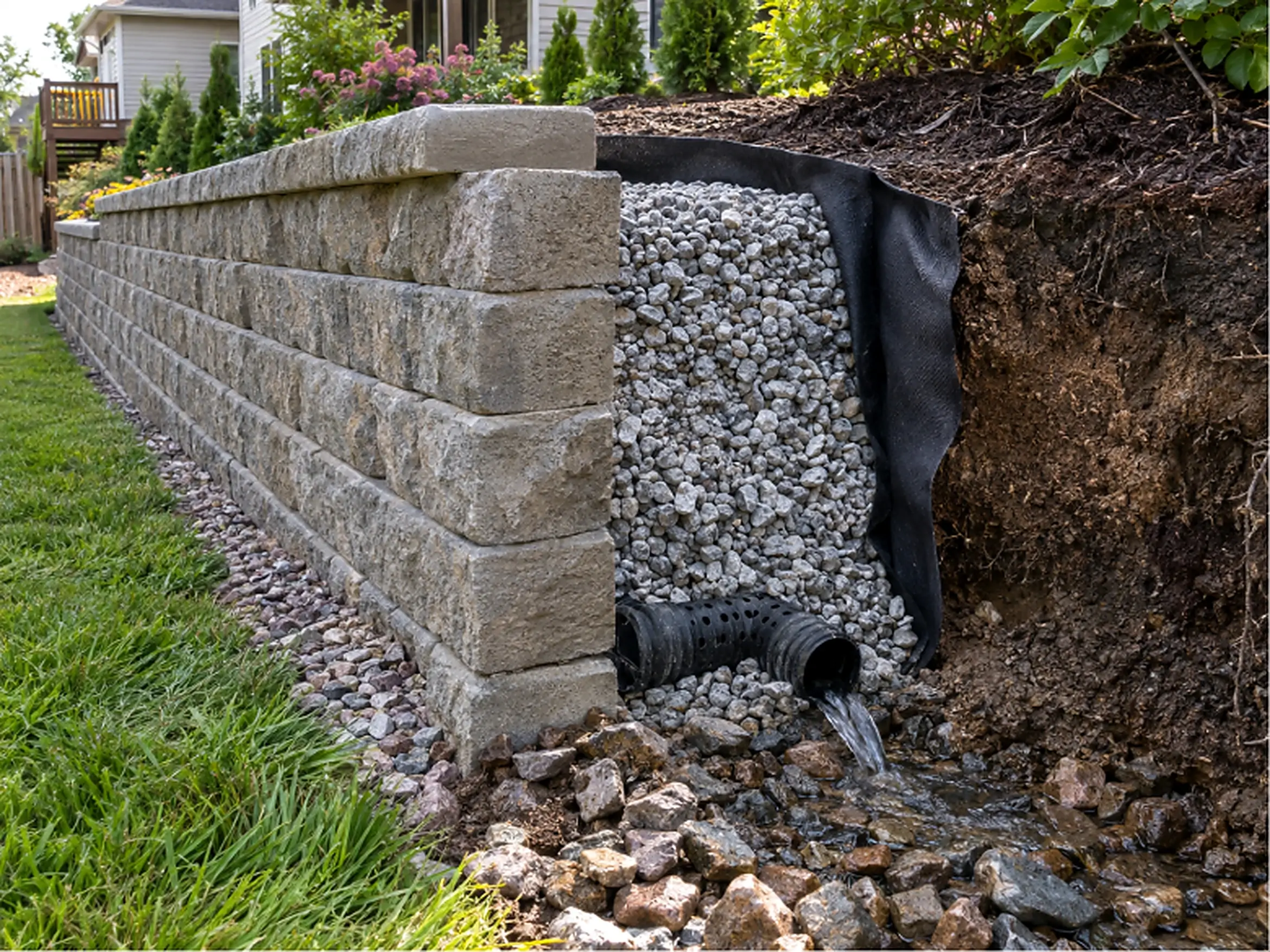
One common setup is a narrow strip along a rear or side boundary that contains an underground stormwater line. Lawn and light landscaping may still be suitable, but excavation, deep-rooted trees, or permanent structures could interfere with the pipe.
Another example is a low section of land kept clear so stormwater can move safely across the property during heavy rainfall.
How Do You Find a Drainage Easement on Property Records?
Locating the affected area usually involves checking the property title, registered easement details, survey plan, and available drainage plans. Visible pits, grates, and pipes can provide useful clues, but they do not confirm the legal width or exact boundary.
Use this sequence:
- Check the current property title for registered easements.
- Review the easement document for its purpose and access rights.
- Compare the easement position with the survey plan.
- Check available drainage plans for known stormwater infrastructure.
- Inspect the property for grates, pits, channels, swales, or pipe openings.
- Seek surveying or legal advice if the boundary or rights remain unclear.
The legal easement location and the physical alignment of a buried pipe should not be assumed to match exactly without checking the relevant documents.
What Can You Do With a Drainage Easement on Your Property?
Normal use may still be possible within the affected area, provided activities do not obstruct water flow, damage underground infrastructure, or prevent future access. Permanent structures, excavation, major landscaping, and other changes should be checked carefully before construction begins.
| Proposed work | Possible concern | What to check |
| Lawn or garden | Roots or changed ground levels | Pipe location and easement terms |
| Fence | Restricted access | Access requirements |
| Retaining wall | Added loading and redirected runoff | Drainage and structural requirements |
| Shed | Building above infrastructure | Easement conditions |
| Swimming pool | Excavation near pipes | Survey and pipe alignment |
| Paving | Increased surface runoff | Drainage direction |
| Excavation | Direct pipe damage | Exact pipe location |
Drainage Easement in Backyard Areas
Backyard restrictions can affect where sheds, pools, retaining walls, fences, extensions, and large garden features are positioned. The main considerations are the registered boundary, drainage route, buried infrastructure, and access needed for future maintenance.
Checking these factors before work starts is easier than relocating a completed structure later.
When an Easement for Drainage Protects Underground Pipes
Buried pipework may need to remain accessible so construction, excavation, tree roots, or landscaping do not interfere with the system. Keeping the area clear can also make inspection and repairs easier when drainage problems develop.
Easement restrictions do not confirm whether the pipe itself is clear or damaged, so physical drainage problems still need separate diagnosis.
Who Is Responsible for Drainage Maintenance?
Responsibility depends on who owns the drainage infrastructure, who benefits from it, and what maintenance obligations apply to the affected land. The presence of an easement alone does not establish who must clear every blockage or repair every damaged pipe.
Typical maintenance considerations include:
- Keeping accessible grates and pits clear
- Preventing soil and mulch from blocking drainage openings
- Maintaining private stormwater lines
- Protecting pipes from excavation or heavy loading
- Keeping access routes reasonably clear
- Investigating repeated overflow or blockages
Separate Easement Rights From Pipe Condition
Legal responsibility determines who may need to arrange or pay for work, while drainage inspection determines what has physically failed. A recurring blockage may involve silt or roots, while repeated overflow can also result from displaced joints, cracks, or collapsed pipework.
Identifying the fault first provides useful evidence before repair responsibilities are discussed.
When Should Drainage Within an Easement Be Inspected?
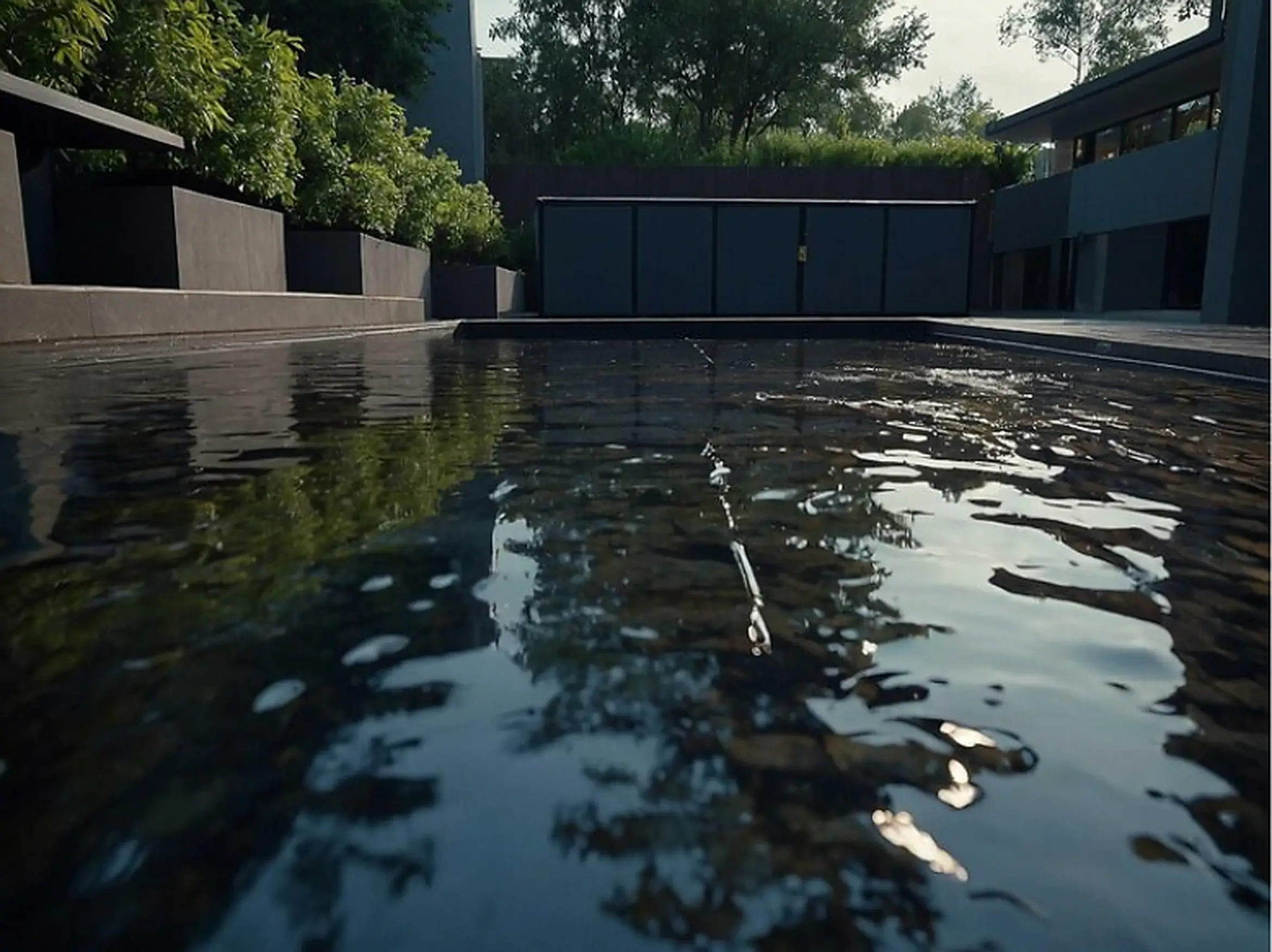
Drainage should be checked when the easement area develops recurring water pooling, overflowing pits, erosion, gurgling, repeated blockages, or unexplained wet ground. These symptoms can indicate reduced flow or damaged underground pipework even when the easement area remains clear.
Arrange an assessment when:
- Stormwater pits repeatedly overflow.
- Water remains after ordinary rainfall.
- The same blockage returns after clearing.
- Tree roots or heavy silt are suspected.
- Ground levels begin sinking near buried drainage.
- Recent excavation or building work may have affected the pipe.
A CCTV drain inspection can show whether the problem involves loose debris, root intrusion, displaced joints, cracks, or structural damage. Access, pipe length, and system condition can also influence CCTV inspection costs.
When Drain Clearing May Be Enough
Leaves, silt, grease, debris, and some root material may be removable when the pipe remains structurally sound. Suitable high-pressure drain jetting can clean longer sections of drainage after the cause and pipe condition have been assessed.
Repeatedly unblocking a stormwater drain without identifying why the restriction returns may provide only temporary improvement.
When Pipe Repairs May Be Required
Cracks, displaced joints, collapsed sections, and severe root intrusion need a different approach from routine drain clearing. Targeted blocked pipe repairs may be appropriate once inspection confirms the defect and its location.
Best practice is to inspect the line first, clear it where suitable, confirm drainage flow, and recommend structural repair only when the pipe condition supports it.
What Should You Check Before Buying a Property With a Drainage Easement?
Property buyers should understand the affected area before deciding whether future renovation, landscaping, or construction plans will work. A well-maintained easement may create little practical inconvenience, while one crossing a preferred building area can require significant planning.
Check these points before purchasing:
- Where the easement sits on the block
- What drainage function it protects
- Whether buried infrastructure crosses the area
- Whether existing structures encroach on it
- Whether plans could conflict with access
- Whether drainage problems are already present
- Whether repairs or maintenance appear likely
Drainage symptoms such as repeated pooling, gurgling, or overflow should be investigated separately from the legal property review.
How Can You Protect Drainage Around an Easement?
Protecting the drainage system involves keeping surface inlets clear, limiting disturbance around buried pipes, and investigating recurring symptoms early. Regular observation can also reveal changes before they become major drainage failures.
Useful steps include:
- Keep stormwater grates free from leaves, mulch, and soil.
- Avoid planting large trees directly above buried drainage.
- Check drainage before major excavation or landscaping.
- Keep access points visible and reachable.
- Investigate recurring overflow instead of repeatedly clearing the surface.
- Avoid placing heavy structures over suspected pipe locations.
- Check unusual wet patches after dry weather.
Early diagnosis can reduce unnecessary excavation and help separate routine maintenance from structural repair.
Protect the Easement and the Drainage System
A drainage easement affects how part of a property can be used, while the pipes and stormwater pathways within that area still need to remain accessible and functional. Checking property records, boundaries, drainage routes, and pipe condition before building or landscaping can reduce conflicts and avoidable damage.
Brisbane Blocked Drain Experts can inspect blocked or damaged stormwater pipes across Brisbane. Call 07 3333 2734 or email info@brisbaneblockeddrainexperts.com.au for drainage assessment and repair advice. Legal boundaries and property rights should be confirmed separately when required.