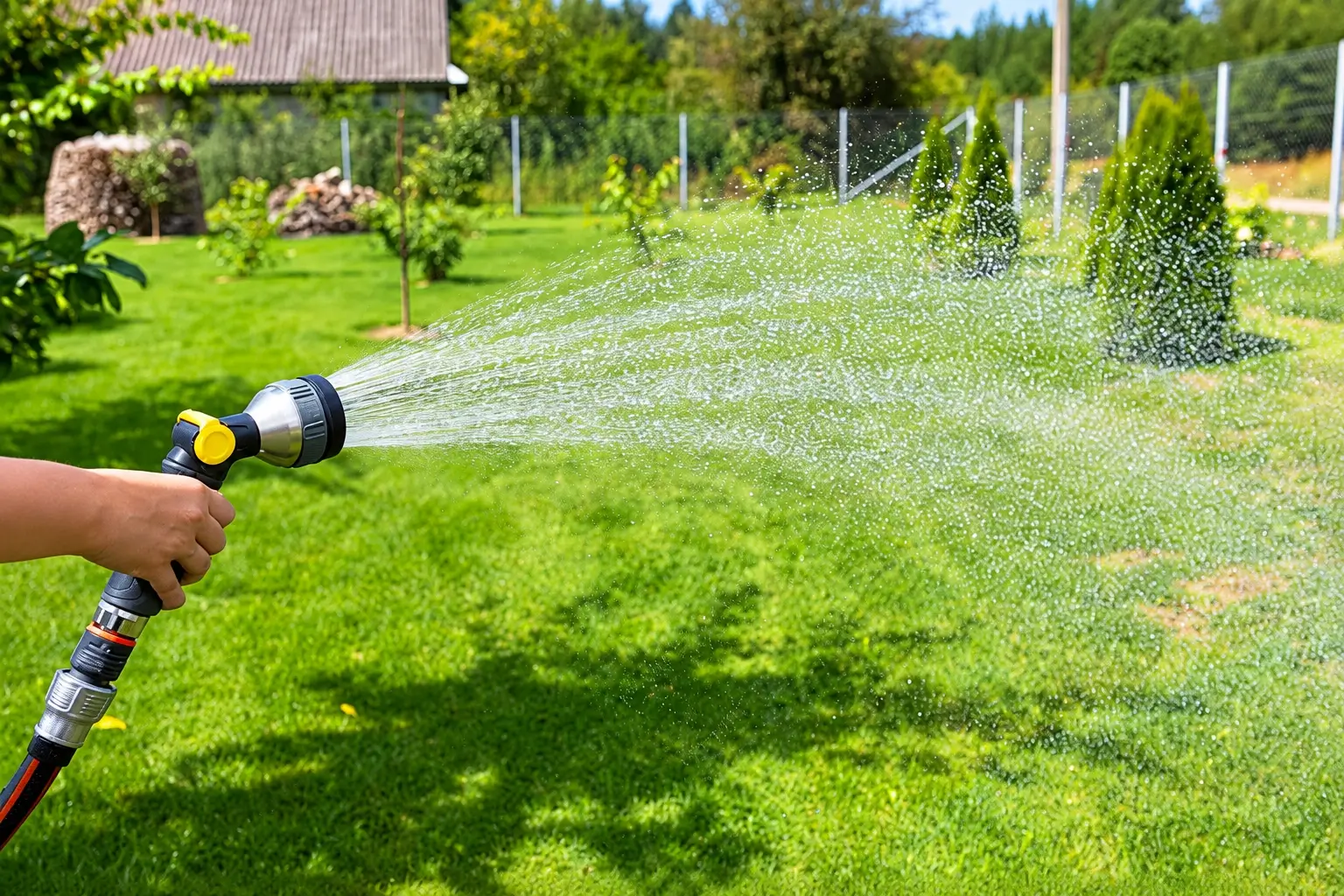
New turf in Brisbane usually needs watering twice a day during the first week, then about once a day during the second week as roots begin to establish. Knowing how often to water new turf helps maintain consistent moisture, support healthy root growth and prevent the soil from becoming too dry or waterlogged.
The right watering schedule depends on heat, rainfall, wind, shade, soil type and drainage. Watering frequency, duration, volume, moisture checks, overwatering signs and proper turf installation in Brisbane all influence how well new turf establishes.
Key Takeaways
- Water thoroughly as soon as the turf is laid.
- Water about twice daily during the first week in warm, dry conditions.
- Reduce watering as roots begin gripping the prepared soil.
- Check beneath the turf instead of relying only on surface appearance.
- Reduce or skip watering after useful rainfall.
How Often Should You Water New Turf in Brisbane?
New turf usually needs the most frequent watering during the first seven days after installation. Watering can then be reduced gradually as the roots begin growing into the prepared soil and the lawn becomes better able to access moisture below the surface.
| Turf stage | Suggested starting schedule | Main check |
| Installation day | Water immediately and thoroughly | Soil beneath the turf is moist |
| Days 1 to 7 | About twice daily | Turf and soil remain consistently moist |
| Days 8 to 14 | About once daily | Roots begin gripping the soil |
| Weeks 3 and 4 | Every two to three days as needed | Turf resists gentle lifting |
| After establishment | Deeper, less frequent watering | Moisture reaches the root zone |
The table is a starting point rather than a fixed rule. Extra watering may be needed during unusually hot, windy weather, while cool conditions, shade or useful rainfall can reduce irrigation requirements.
Days 1 to 7
Fresh turf depends heavily on moisture near the surface because its roots have not yet established in the ground below. Water the lawn immediately after installation, then keep the turf and prepared soil consistently moist without leaving the area saturated.
Check exposed sections beside paving, walls and fences because reflected heat can dry these areas faster. Edges and joins are also more likely to lose moisture than the centre of each turf roll.
Days 8 to 14
Watering can usually move towards one thorough session per day during the second week if the lawn is beginning to establish. The aim is to maintain adequate moisture while encouraging the roots to move into the underlying soil.
Test several sections rather than assuming the whole lawn is developing at the same rate. Shaded areas, slopes and sections with different soil conditions can establish differently.
Weeks 3 and 4
Once the turf resists gentle lifting, watering can usually be reduced to every two or three days as conditions allow. Longer intervals encourage the developing root system to access moisture deeper in the soil rather than remaining dependent on frequent surface watering.
Never reduce the schedule purely because a certain number of days has passed. Root attachment and soil moisture provide better indicators of establishment.
How Long and How Much Should You Water New Turf?
There is no single sprinkler run time or water volume that suits every Brisbane lawn. How often to water new turf and how much water to apply depend on sprinkler output, soil texture, turf type, weather and site exposure, so the goal is to wet the developing root zone without causing runoff or persistent pooling.
How long to water new turf
Watering time depends on the output of the irrigation system, water pressure and sprinkler coverage. Ten minutes from one sprinkler may deliver much more or less water than another, so check whether moisture has reached the soil beneath the turf rather than relying on time alone.
A simple catch test can check coverage:
- Place several straight-sided containers across the lawn.
- Run the sprinkler for a set period.
- Compare the amount collected in each container.
- Reposition sprinklers if some areas receive much less water.
- Check whether moisture has reached the soil below the turf.
This method identifies dry spots that may otherwise remain hidden until the grass begins wilting.
How much to water new turf
A useful starting point is about 10 litres of water per square metre, although the actual amount depends on soil type, weather and site conditions. Treat this as a general benchmark rather than a fixed target for every watering session.
The more important test is whether water penetrates through the turf into the prepared soil without creating puddles or runoff. Sandy soils may drain quickly, while heavier clay-based soils can retain moisture for much longer.
How Can You Tell Whether New Turf Needs Water?
The best way to decide how often to water new turf is to check the moisture around the developing roots rather than judging the lawn only from above. Green leaves do not always mean the soil underneath is adequately moist, while a damp-looking surface can sometimes hide dry soil beneath.
Use this simple moisture check:
- Choose an accessible edge or corner.
- Lift the turf gently without disturbing new roots.
- Feel the underside of the turf.
- Check the upper layer of soil underneath.
- Water if both areas are becoming dry.
- Delay watering if the soil remains wet or boggy.
Signs the turf needs more water
New turf can show visible stress when moisture is insufficient. Look at several parts of the lawn because problems often begin in exposed edges, high spots or areas receiving uneven sprinkler coverage.
Common signs include:
- Dry soil beneath the turf
- Curling or wilting grass blades
- Shrinking joins between turf rolls
- Dry or crispy turf edges
- Sections losing colour faster than surrounding areas
How Do Soil and Drainage Affect New Turf Watering?
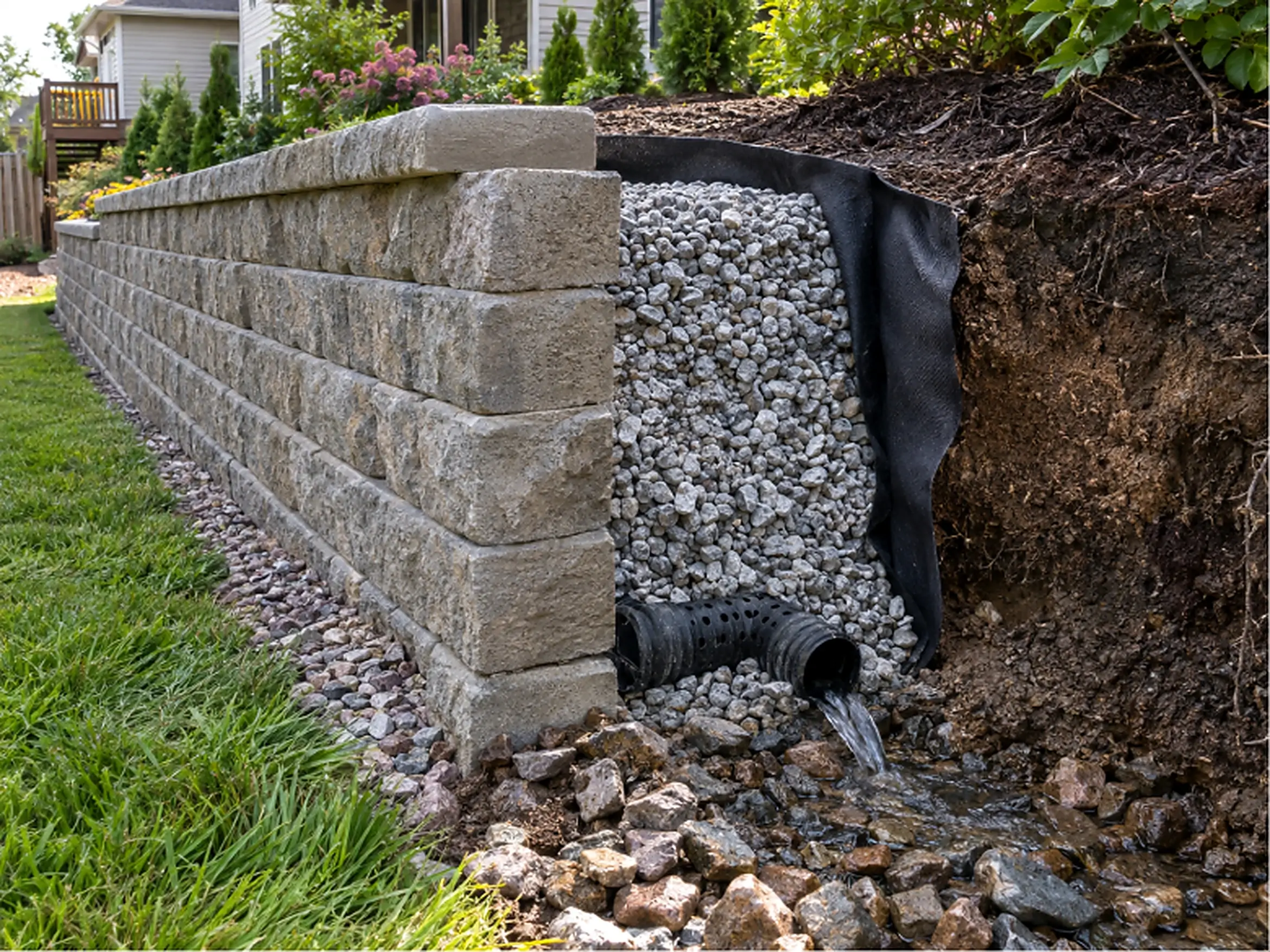
Good watering cannot compensate for poor drainage or badly prepared ground. Soil type, lawn levels and slope determine how quickly water enters, moves through and leaves the root zone, which is why Brisbane Blocked Drain Experts includes soil levels and drainage assessment as part of its turf preparation approach.
Sandy soil
Sandy soil allows water to move through quickly and may dry sooner during warm weather. More frequent moisture checks can be useful, particularly during the first two weeks.
The aim is not simply to increase water volume. Smaller adjustments based on moisture levels are more useful than automatically extending every irrigation cycle.
Clay soil
Clay soils generally retain water for longer and can become saturated if water is applied faster than the ground can absorb it. Slower irrigation or shorter cycles may help water soak in without excessive runoff.
Pooling that persists long after watering deserves closer attention.
Slopes and low spots
Sloping lawns can lose water before it penetrates the soil, while low areas can collect runoff from the surrounding lawn. Correct levelling and irrigation coverage help reduce both problems.
Where uneven coverage is difficult to manage manually, properly planned irrigation installation in Brisbane can separate watering zones and improve control over sprinkler placement and timing.
When pooling may indicate a drainage problem
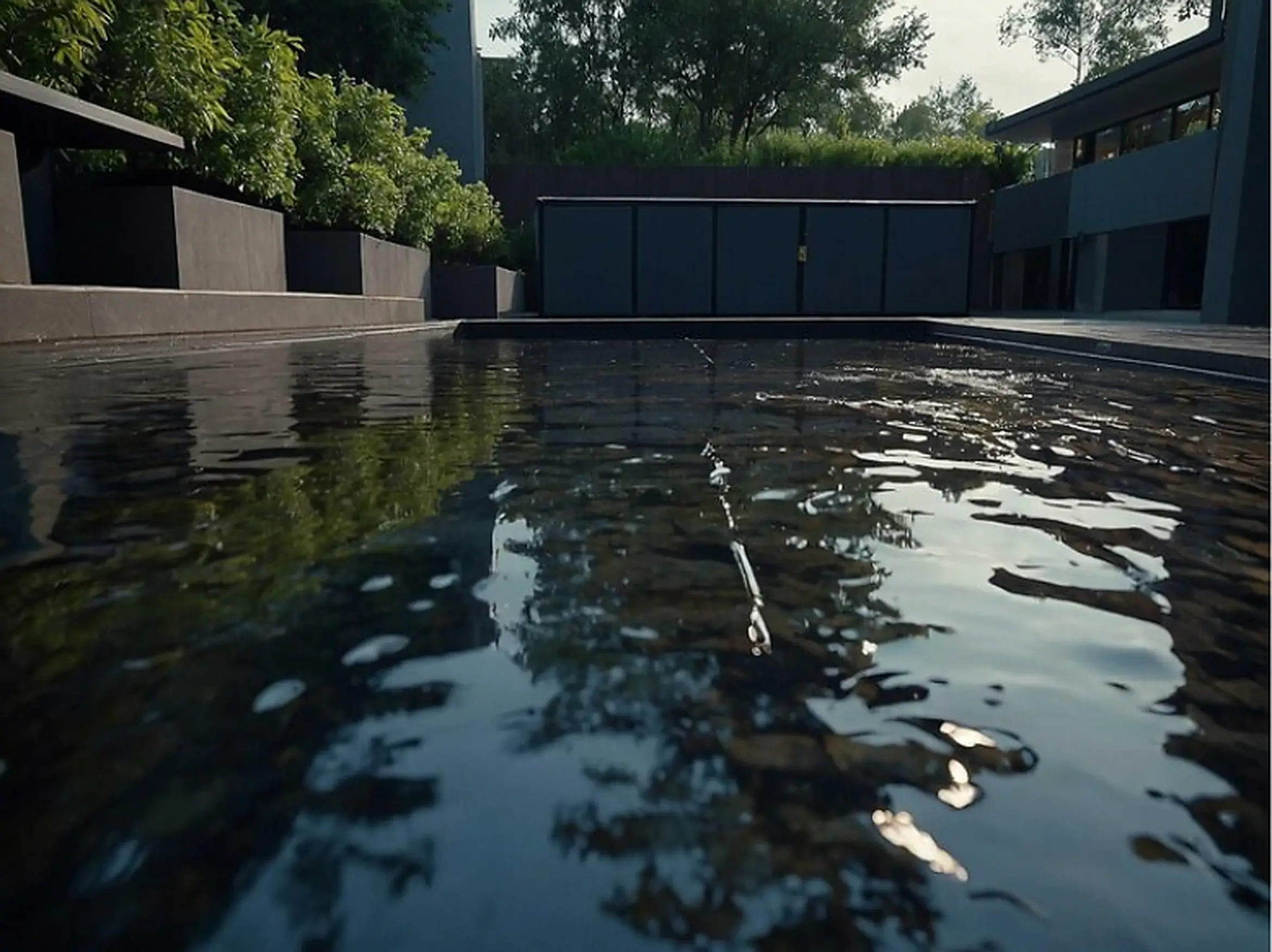
Water that repeatedly remains around lawn edges, stormwater pits or low sections after irrigation may point to more than excessive watering. Surface levels, compacted soil, blocked drainage or restricted stormwater pipes can all affect how quickly water leaves the property.
Recurring pooling may be linked to issues explained in how to unblock a stormwater drain and prevent drainage problems in Brisbane. Persistent problems near pits or stormwater lines may require a blocked stormwater drain inspection rather than further changes to the lawn watering schedule.
Establish New Turf With the Right Watering Routine
Understanding how often to water new turf means adjusting the schedule as the lawn develops rather than watering at the same frequency indefinitely. Start with consistent moisture, check beneath the turf regularly, then reduce watering as roots establish and begin accessing moisture deeper in the soil.
Good preparation is just as important as aftercare. Brisbane Blocked Drain Experts can assist with turf installation, irrigation and outdoor drainage where soil levels, water coverage or pooling need to be addressed. Call 07 3333 2734 or email info@brisbaneblockeddrainexperts.com.au to discuss the property and arrange an assessment.