Plumbing issues can happen when you least expect them, from a minor leak at home to a major pipe problem in a commercial property. Understanding how much does plumbing cost in advance can help you avoid unexpected expenses and plan your budget more effectively.
Plumbing costs can vary significantly between residential and commercial projects due to differences in scale, complexity, and materials used. Factors such as the age of the pipes, type of fixtures, and ease of access all influence the overall plumbing work cost. Planning makes it easier to engage the right professional and ensure the job is completed efficiently. This guide will explain the differences between residential and commercial plumbing and the factors that affect the overall cost.
Understanding Plumbing Costs
Plumbing is a vital part of any property, and understanding the plumbing work cost helps avoid surprises. Whether it’s a routine repair or a full system upgrade, the plumbing services average cost will depend on the size and complexity of the job.
For example, a basic plumbing inspection cost is typically lower than a full plumbing installation cost, especially in larger commercial settings. By understanding these differences, property owners can better estimate how much does plumbing costs and make informed decisions before starting any work.
Residential Plumbing Projects
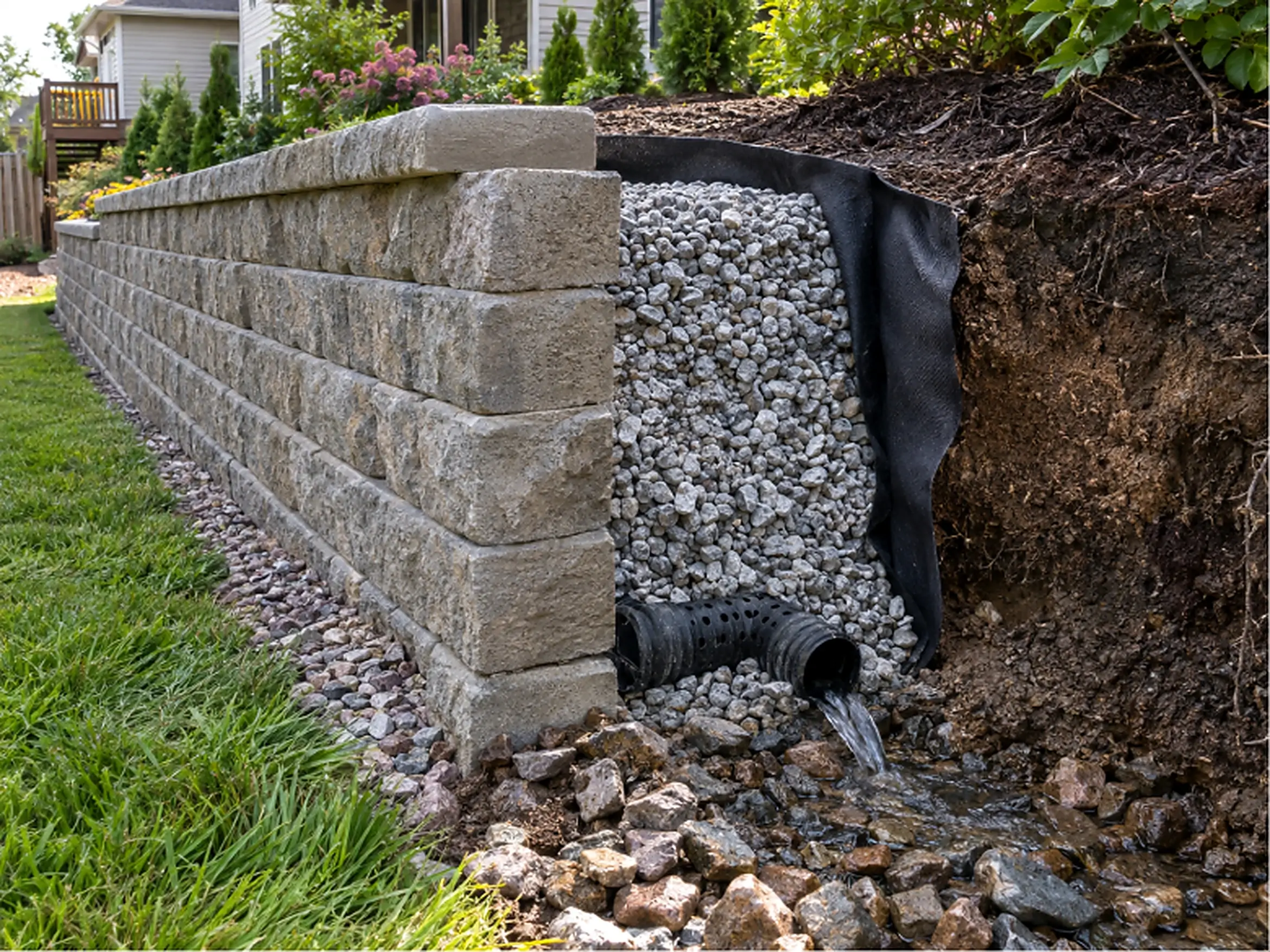
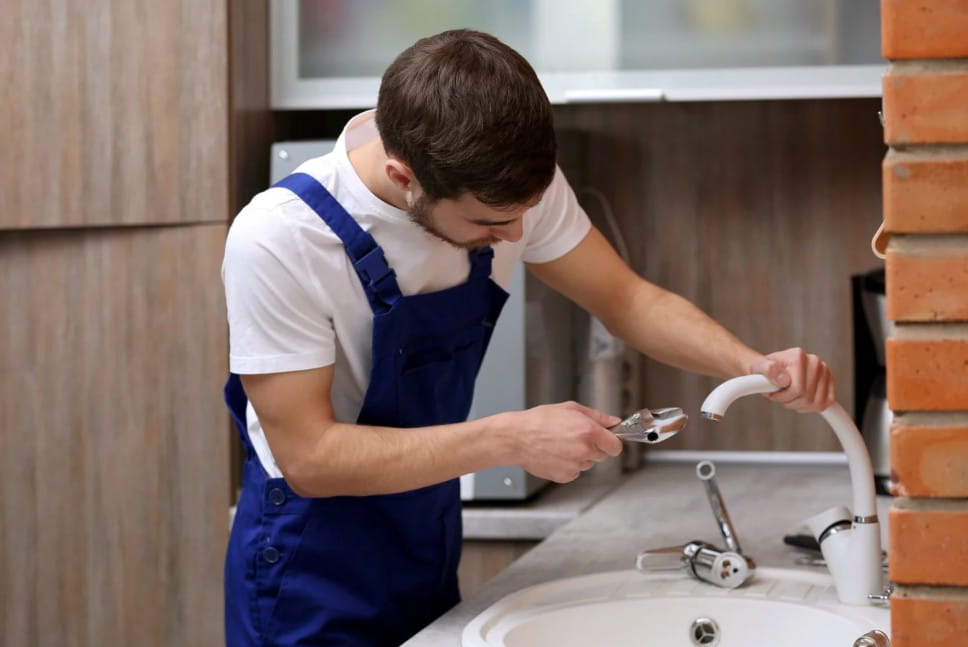
Residential plumbing focuses on maintaining and upgrading homes. Common tasks include leak repairs, unclogging drains, faucet replacements, and water heater installations. Research on common residential plumbing defects shows that issues such as ageing pipes and poor installation can increase long-term plumbing costs, highlighting the importance of regular maintenance and early intervention.
Important considerations for residential plumbing include:
- Scope of Work: Homes have fewer fixtures, so repairs or upgrades are often straightforward.
- Materials and Fixtures: Standard residential items like PVC pipes and basic faucets are easier to source and install.
- Timeframe: Most residential tasks can be completed in a short period, depending on complexity.
Being aware of how much does plumbing cost helps homeowners plan budgets, avoid surprises, and maintain reliable plumbing systems. Even minor repairs can vary depending on system accessibility, age, and local labour rates.
Commercial Plumbing Projects
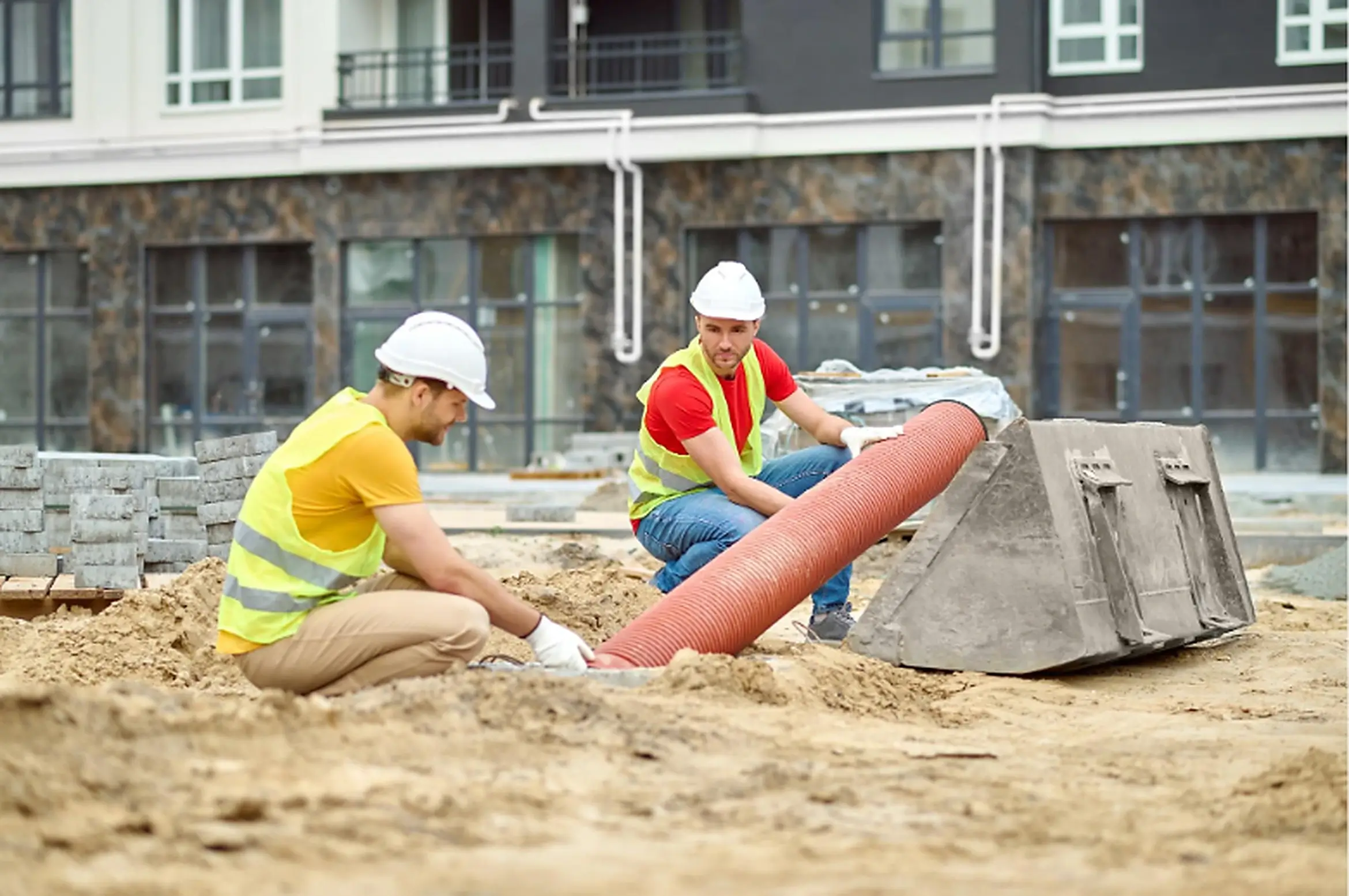
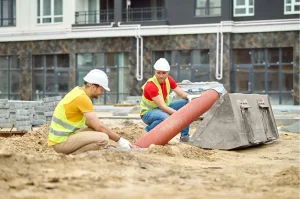
Commercial plumbing requires managing larger, more complex systems. Office buildings, restaurants, and other business facilities have plumbing designed to handle high water usage, along with specialised equipment such as grease traps, industrial water heaters, and backflow prevention devices.
Factors affecting commercial plumbing costs include:
- System Complexity: Large buildings often have multiple floors, extensive piping, and numerous fixtures.
- Regulations and Compliance: Adherence to local codes and safety regulations is mandatory.
- Specialised Equipment: Commercial properties may require equipment capable of handling higher demand.
Knowing how much does plumbing cost in a commercial context is crucial for business owners. Larger systems, stricter compliance requirements, and specialised equipment make commercial plumbing more expensive than residential plumbing. Proper planning can prevent downtime and unexpected expenses.
Factors Affecting Plumbing Costs in Both Settings
Several key elements influence plumbing work cost for both residential and commercial properties:
Labour
Labour represents a major portion of plumbing costs. Skilled and experienced plumbers may charge higher rates, yet their work ensures long-lasting, reliable results. Hiring professionals can prevent costly mistakes and reduce the need for frequent repairs, keeping systems dependable over time.
Materials
Quality and type of materials directly impact plumbing services average cost. Pipes, fittings, and fixtures vary in durability and installation requirements. Using durable materials often reduces long-term maintenance and replacement needs, making the investment worthwhile.
System Age
Older plumbing systems are more likely to need extensive repairs or replacements. Worn-out pipes and fixtures can lead to frequent leaks and maintenance issues. Upgrading or replacing old components can improve performance and reduce long-term costs.
Accessibility
Where plumbing work takes place affects the time and effort required. Tight spaces, hidden pipes, or areas that are difficult to reach may require special tools and additional labour. Planning for accessibility can help projects stay on schedule and run smoothly.
Tips for Managing Plumbing Costs
Careful planning and smart choices can help property owners keep plumbing expenses under control while maintaining quality work:
- Regular Maintenance: Routine inspections help catch small problems before they become serious. Scheduling minor repairs early keeps systems running efficiently. Preventive care reduces the risk of costly emergency work.
- Multiple Quotes: Getting quotes from multiple plumbers provides a clearer picture of fair pricing. Different professionals may suggest alternative solutions or materials. Reviewing several estimates allows for informed decisions without overspending.
- Quality Investment: Using durable materials and hiring skilled labour may require a higher initial investment. High-quality components and expert workmanship reduce the likelihood of recurring problems. Over time, this investment saves money by reducing the need for repairs and replacements.
- Planning Large Projects: Laying out detailed plans for renovations or large installations helps avoid unexpected delays. Coordinating timelines, labour, and materials ensures smoother execution. Proper planning keeps projects on schedule and on budget.
Following these strategies gives property owners better control over costs and helps them understand how much does plumbing cost, preventing unexpected expenses.
Plan Your Plumbing Budget Effectively
Managing plumbing projects can be challenging for any property owner. Understanding how much does plumbing cost helps plan budgets and avoid unexpected expenses. Staying on top of maintenance and preparation keeps systems running efficiently and prevents major issues.
When plumbing problems become complex, professional help is the best solution. Brisbane Blocked Drain Experts offer reliable service, accurate estimates, and skilled workmanship. Reach out today by calling 07 3333 2734 or emailing info@brisbaneblockeddrainexperts.com.au to ensure your plumbing is handled correctly.