A slow-draining sink can turn even the simplest task into a frustrating ordeal. Whether it is water pooling in your slow-draining kitchen sink after washing dishes or a slow-draining bathroom sink that refuses to clear, a clogged or sluggish drain can disrupt your routine and even cause unpleasant odours or leaks. Knowing the right steps to take can save you time, money, and the hassle of calling a plumber.
Fortunately, fixing this problem is often simpler than it seems. In this guide, we will show you practical methods for how to fix a slow-draining sink, from simple cleaning techniques to effective tools and solutions. By the end, you will be equipped with everything you need to get your sink draining smoothly again and prevent future clogs from slowing you down.
Common Causes of a Slow-Draining Sink
Before learning how to fix a slow-draining sink, it’s important to understand why your sink is slow in the first place. Common culprits include:
- Food and Grease Buildup: Leftover food and cooking oils can stick to pipes, causing a slow-draining kitchen sink.
- Hair and Soap Residue: Hair mixed with soap and toothpaste can block a slow-draining bathroom sink.
- Foreign Objects in the Drain: Small items like jewellery or bottle caps can partially block the drain.
- Mineral Deposits: Hard water can leave calcium or magnesium deposits that narrow pipes.
- Plumbing or Venting Problems: Poorly installed pipes or blocked vents can slow water flow.
Identifying the exact cause makes it easier to choose the right method to clear the blockage. Once you know the reason, fixing your slow-draining sink becomes much faster and more effective.
5 Easy Ways to Fix a Slow-Draining Sink
1. Use a Plunger
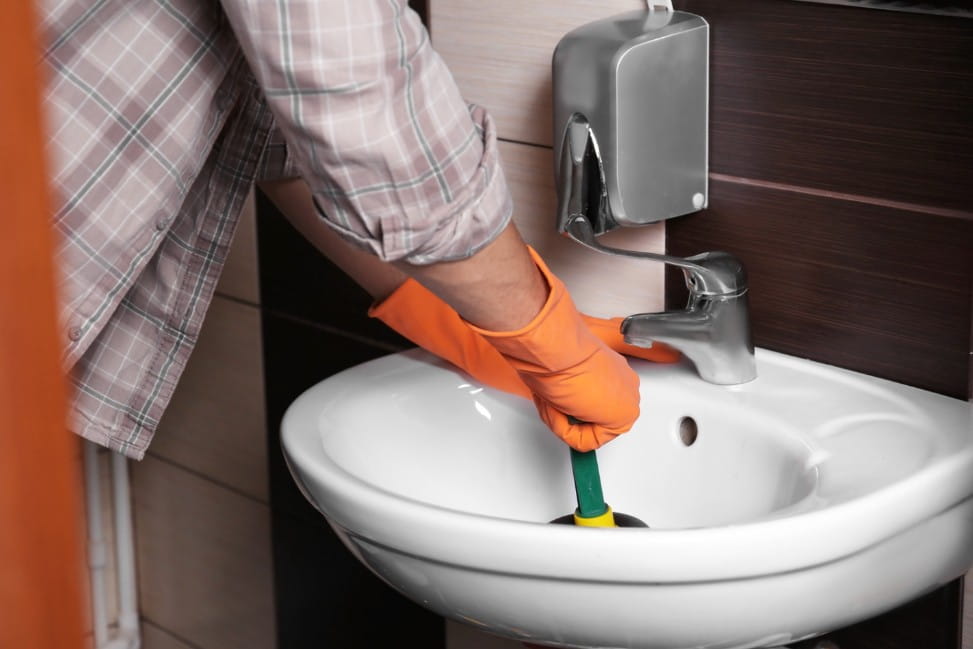
A plunger can quickly clear a slow-draining sink without harsh chemicals. It works by creating suction that loosens clogs near the drain’s opening, allowing water to flow smoothly again.
Steps to use a plunger effectively:
- Fill the sink with enough water to cover the plunger cup, ensuring a strong seal over the drain.
- Position the plunger firmly, then push it up and down several times in steady, quick motions.
- Lift the plunger and check if water drains. Repeat a few times if the clog is stubborn.
Plunging is often the first and most convenient method for fixing a slow-draining sink. Even minor clogs can usually be removed this way, saving time and avoiding the need for more complicated tools or professional help.
2. Clean the P-Trap
A P-trap, the curved pipe beneath the sink, often traps hair, grease, and other debris, causing a slow-draining sink. Removing and cleaning it can quickly restore proper water flow and prevent future clogs.
How to clean the P-trap:
- Position a bucket under the P-trap to catch any water that may leak.
- Unscrew the nuts on both ends of the pipe and carefully remove the trap.
- Clear out any debris, hair, or buildup, then rinse the pipe thoroughly.
- Reattach the P-trap tightly and run water to check if the sink drains properly.
Cleaning the P-trap provides an effective, chemical-free solution for stubborn clogs. Regular attention to this pipe helps maintain a smoothly draining sink and is a key step when learning how to fix a slow-draining sink.
3. Use a Drain Snake
Clogs that are located farther down the drain often cause a slow-draining sink that simple methods cannot fix. A drain snake is designed to reach these stubborn blockages and clear them efficiently.
Proper way to operate a drain snake:
- Gently push the snake into the drain until you encounter resistance.
- Rotate the handle and move the snake back and forth to loosen or catch the clog.
- Pull the snake out slowly, then run hot water to flush away any remaining debris.
A drain snake is a practical way to remove tough clogs without harsh chemicals. It works well for blockages that form deep in the plumbing, making it a reliable method for how to fix a slow-draining sink.
4. Try a Baking Soda and Vinegar Solution
Baking soda combined with vinegar creates a natural fizz that helps break down grease, soap, and other buildup in a slow-draining sink. Using this method avoids harsh chemicals while still effectively clearing minor clogs.
Here’s how to use baking soda and vinegar:
- Pour ½ cup of baking soda into the drain.
- Add ½ cup of vinegar and let it fizz for 15–20 minutes.
- Run hot water through the drain to flush away loosened debris.
Regularly applying this method can prevent future clogs and keep water flowing freely. It provides a safe, simple solution for naturally maintaining a slow-draining sink.
5. Prevent Future Clogs
Keeping drains clear is easier than fixing them after a clog forms. A few simple habits can prevent a slow-draining sink:
- Avoid pouring grease, oil, or food scraps down kitchen drains.
- Install a drain screen to catch hair, soap, and other debris.
- Run hot water through sinks regularly to prevent buildup.
Practising these steps helps maintain smooth drainage and reduces the need to repeatedly search for how to fix a slow-draining sink. Keeping your sink clean also supports a healthier home; a well-maintained drain helps prevent sink-related infections.
Make Every Drain Work Perfectly Again
Fixing a slow-draining sink early can save you time, frustration, and potential damage to your plumbing. Taking prompt action ensures your home stays comfortable and your sinks continue to work efficiently without unnecessary stress.
If the problem persists or seems stubborn, it’s best to get professional help. Call Brisbane Blocked Drain Experts at 07 3333 2734 for fast and reliable service to restore your drains and keep your home running smoothly.