Blocked drains are a common issue that can affect any home or business, leading to slow drainage, unpleasant odours, and potential water damage if left untreated. Understanding how do plumbers clear blocked drains shows the professional methods and specialised tools used to fix these problems quickly and effectively.
In this blog, readers will learn the step-by-step process used by experts to clear blocked drains. It covers everything from identifying the cause and choosing the right approach to safely removing blockages and preventing them from happening again.
Understanding Drain Blockages
Drain blockages happen when debris builds up inside pipes, slowing or stopping the flow of water. Some common causes include:
- Hair and soap scum in bathroom sinks and showers
- Grease and food waste in kitchen drains
- Tree roots growing into underground pipes
- Objects accidentally flushed down toilets
Blockages can be small and close to the surface, or large and deep in the sewer system. Professional plumbers know the best way to clear blocked drains, selecting a method that removes the blockage effectively while protecting the pipes from damage.
Step 1: Inspection and Diagnosis
The first step in clearing a blocked drain is a careful inspection. Plumbers use specialised equipment to find the cause and location of the blockage. This process often includes:
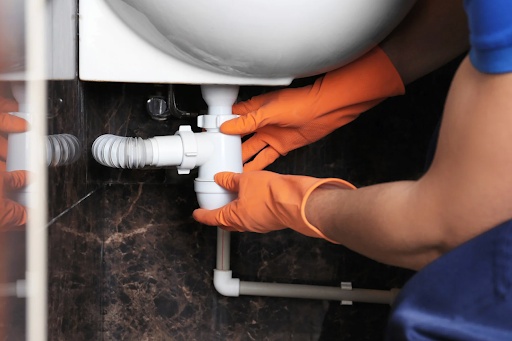
- Visual inspection: Checking easily accessible areas such as sink traps, toilet bends, and shower drains.
- CCTV drain cameras: Small cameras are inserted into pipes to give a clear view of blockages, collapsed pipes, or tree root intrusions.
- Pipe locators: Advanced devices help identify the exact position of underground pipes and blockages without unnecessary digging.
A precise diagnosis ensures the chosen method is safe and effective. Professionals also determine the tools to clear blocked drains needed for the job, selecting the right equipment for the type and location of the obstruction.
Step 2: Choosing the Right Clearing Method
Once the blockage has been identified, the next step is to determine the most effective way to remove it. Plumbers consider the type of clog, the material of the pipes, and how accessible the affected area is. Techniques for clearing blockages involve:
- Manual tools: Using a plunger or a drain snake for minor clogs.
- Hydro-jetting: High-pressure water jets clear grease, sludge, and debris from pipes.
- Enzyme treatments: Safe, biodegradable enzymes gradually break down organic waste.
- Mechanical augers: Motorised augers handle tough blockages in sewer mains or larger pipelines.
Hiring a skilled plumber to clear blocked drains ensures the problem is solved efficiently and safely, using the right method and equipment to protect the pipes and prevent future issues.
Step 3: Clearing the Blockage
After the method has been chosen, the blockage is carefully removed. Different tools and techniques are used depending on the type and location of the clog:
- Drain snakes: Break up or manually pull out debris.
- Hydro-jetting: Uses high-pressure water to thoroughly clean pipes and remove buildup.
- Mechanical augers: Drill through stubborn blockages in sewer lines and larger pipelines.
Care is taken during this step to protect older or fragile pipes. Using the correct approach is essential for clearing blocked drains effectively and preventing future problems.
Step 4: Flushing and Cleaning
Once the blockage is removed, the system is flushed to remove residual debris. Hydro-jetting often doubles as a cleaning process, leaving pipes free-flowing. A final inspection confirms water flows smoothly and the system is undamaged.
Step 5: Preventive Measures
Preventing blockages before they happen is an important part of maintaining good drain condition. Experts often suggest practical steps to reduce future problems:
- Use strainers in sinks, showers, and bathtubs to catch hair and food particles.
- Avoid pouring grease or oil down kitchen drains.
- Flush pipes regularly with hot water to remove buildup.
- Schedule routine inspections for older homes or areas where tree roots may invade pipes.
Following these measures helps maintain proper drainage, prevent emergencies, and extend the life of the plumbing system.
Step 6: Documentation and Follow-Up
After clearing drains, professionals document the work, noting the blockage type, method used, and pipe condition. Follow-up inspections may also be recommended to verify that the system remains in optimal condition.
Make Every Drain Work Effortlessly
A slow-draining sink, a toilet that won’t flush properly, or a shower that backs up can make daily routines stressful and inconvenient. Knowing how do plumbers clear blocked drains highlights the professional techniques used to find, remove, and prevent blockages safely and effectively. Taking the right approach protects pipes and keeps a home or business running smoothly.
When drainage problems occur, don’t wait for them to get worse. Call Brisbane Blocked Drain Experts on 07 3333 2734 and get your plumbing back to full flow quickly and safely, ensuring drains operate efficiently and giving complete peace of mind.